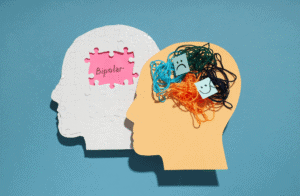
Emotional dysregulation is a mental health symptom characterized by difficulty managing or controlling emotional responses. Individuals may experience intense mood shifts, impulsive behavior, or strong reactions that feel disproportionate to the situation. While everyone experiences strong emotions at times, emotional dysregulation refers to patterns that interfere with relationships, responsibilities, or overall functioning. This symptom is often associated with mental health or neurodevelopmental conditions but may also result from brain injury or neurological illness.
Emotional regulation refers to the ability to monitor, adjust, and recover from emotional experiences. This includes managing how emotions are expressed, calming down after a triggering event, and preventing emotions from interfering with decision-making. Emotional dysregulation occurs when a person struggles with these processes.
Individuals with emotional dysregulation may feel emotions more intensely or for longer periods of time. They may have trouble calming down or responding to feedback without becoming overwhelmed. These difficulties often develop early in life but can also emerge later due to trauma, injury, or illness.
Emotional dysregulation affects mood, behavior, and relationships. Common signs may include:
Sudden or extreme mood swings
Persistent irritability or frustration
Impulsive or reckless behavior
Difficulty calming down after distress
Verbal outbursts or angry reactions
Low tolerance for frustration or delays
Emotional responses that feel out of proportion to the situation
Difficulty focusing when emotionally triggered
In children, symptoms may appear as frequent tantrums, resistance to change, or trouble transitioning between tasks. In adults, emotional dysregulation may impact work performance, personal relationships, and overall quality of life.
Request a Call
Struggling with addiction or mental health? You don’t have to face it alone—request a confidential call today.
Request a confidential call from a member of our team. We are here to guide you through the admissions process, explain treatment options and costs, and help you understand what to expect.
thats for request a call
Causes and Associated Conditions
Emotional dysregulation can arise from multiple causes. It may reflect differences in how the brain processes emotion or how it responds to stress. In some cases, it is linked to structural or functional brain changes. In others, it is a feature of an underlying mental health condition. Common contributing factors include:
Mental health diagnoses
Borderline personality disorder
Bipolar disorder
Post-traumatic stress disorder (PTSD)
Depression
Anxiety disorders
Disruptive mood dysregulation disorder (in children)
Oppositional defiant disorder or conduct disorder
Neurodevelopmental conditions
Attention-deficit/hyperactivity disorder (ADHD)
Autism spectrum disorder
Neurological or medical causes
Traumatic brain injury or concussion
Seizure disorders
Stroke
Dementia
Infections affecting the brain (such as encephalitis)
Substance use or withdrawal
Not everyone with emotional dysregulation meets criteria for a mental health diagnosis. In many cases, the symptom is part of a broader pattern of emotional sensitivity or difficulty with executive functioning.
Diagnosis
Diagnosis involves a clinical evaluation by a mental health professional. The process typically includes:
A review of emotional and behavioral symptoms
Assessment of how symptoms affect daily functioning
Medical history and, when appropriate, a physical exam to rule out neurological causes
Input from parents, teachers, or family members for children and adolescents
Standardized tools may be used to help identify underlying conditions and track symptom severity. Emotional dysregulation is not a standalone diagnosis but is considered within the context of related mental health or neurodevelopmental concerns.
MOST INSURANCE ACCEPTED
Up to 100% of the costs covered by insurance. At MPower Wellness, we accept most insurance plans. Verify your insurance to get information about your coverage.
Although emotional dysregulation can be distressing, it is often manageable with the right support. Treatment focuses on identifying contributing factors, teaching new skills, and addressing co-occurring conditions. Approaches may include:
Psychotherapy
Psychotherapy is the primary treatment. Several therapeutic modalities are effective in helping individuals understand and manage emotional responses.
Dialectical behavior therapy (DBT) teaches emotional regulation, distress tolerance, and interpersonal effectiveness. It was originally developed for borderline personality disorder but is now used in a variety of contexts.
Cognitive behavioral therapy (CBT) helps individuals challenge unhelpful thought patterns and develop better coping strategies.
Trauma-focused therapy may be recommended when dysregulation is linked to past traumatic experiences.
Parent-child interaction therapy (PCIT) or behavior therapy may be helpful for children who struggle with mood and impulse control.
Therapy may be delivered individually or in group settings and is often tailored to age, developmental stage, and the presence of co-occurring diagnoses.
Medication
Medication is sometimes used to reduce emotional reactivity or to treat underlying mental health conditions. Choices depend on the diagnosis and symptom profile.
Examples may include:
Antidepressants for mood or anxiety symptoms
Mood stabilizers for bipolar disorder
Stimulants or non-stimulant medications for ADHD
Atypical antipsychotics in select cases, particularly when aggression or severe mood symptoms are present
Medication decisions are made in consultation with a psychiatrist or prescribing clinician. Regular monitoring is essential to ensure safety and effectiveness.
Supportive Strategies
Behavioral and lifestyle strategies are important for managing emotional dysregulation. These may include:
Building structured daily routines
Practicing stress reduction techniques such as mindfulness or breathing exercises
Using emotion labeling and self-monitoring tools
Limiting exposure to known emotional triggers when possible
Improving sleep, nutrition, and physical activity
Engaging in supportive relationships or peer-led groups
Caregivers, educators, and family members may also benefit from education and support when emotional dysregulation affects a child or adolescent in the household.
We’re here to walk with you through your options & answer every question.
Emotional dysregulation should be addressed when it causes ongoing distress or interferes with relationships, school, work, or daily life. It is especially important to seek help if symptoms include aggression, self-harm, or suicidal thoughts.
In children, emotional dysregulation may reflect developmental challenges or early signs of mental health concerns. A pediatrician, school counselor, or child psychologist can help determine whether an evaluation is needed.
In adults, new or worsening dysregulation may signal a change in mental health status or the onset of a neurological condition. Assessment by a qualified mental health provider can help clarify the cause and guide treatment planning.
Get Help For Emotional Dysregulation at MPower Wellness
Emotional dysregulation is a common symptom that can stem from a variety of conditions affecting how the brain processes emotion and stress. Although it may be difficult to manage, many individuals experience meaningful improvement with structured treatment. Therapy, medication, and behavioral support can help people better understand their emotional responses, build regulation skills, and function more effectively in daily life.
If emotional dysregulation is interfering with your relationships, responsibilities, or well-being, it may be time to seek support. MPower Wellness offers comprehensive mental health care that addresses the underlying causes of emotional dysregulation and helps individuals work toward lasting emotional balance.
To learn more, give us a call, fill out our free insurance form, or send us an email—whatever’s easiest for you. We’re here to answer your questions and help you take the next step.
Dr. Deepraj Singh is a board-certified psychiatrist. She graduated from Albany Medical College and completed her residency at Drexel University. Due to her passion for learning as well as teaching, she joined the Drexel University faculty to teach resident physicians and medical students. She started out her career in emergency psychiatry, but has expanded into working in outpatient, day program, inpatient and targeted case management programs. She is also certified in ECT and TMS. She performed ECT for persons with severe depression, anxiety, and bipolar disorders.
She has always been interested in ways to improve care for her patients. This has led her to pursuing leadership roles such as medical directorships at various outpatient programs and inpatient facilities. These opportunities have allowed her to make changes at an organization level as well as community level.
She strives to provide a comfortable atmosphere and a thorough evaluation. She believes in the holistic approach to care, aspires to integrate the biopsychosocial aspects as well physical health, and nutrition into her evaluation and treatment of her patients.