Crimes related to drugs are not just about broken laws; they’re often about people caught in the cycle of addiction, struggling to cope with substance use and its consequences. From drug possession to trafficking to offenses committed while under the influence, these situations can leave individuals and families feeling hopeless.
At MPower Wellness of Exton, we believe no one should be defined by their addiction or the mistakes it can cause. With compassionate treatment and support, recovery is possible, and individuals can move beyond substance abuse and the criminal justice system to build healthier, more meaningful lives.
Drug Related Crimes and How They Occur
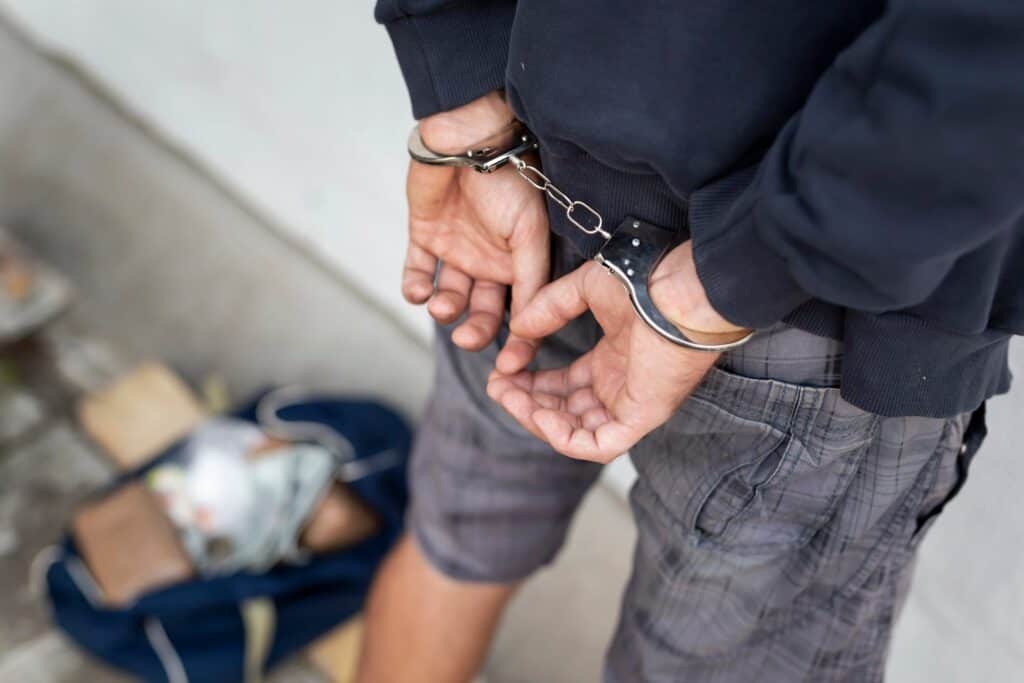
Drug-related crimes take many forms, ranging from direct drug offenses to secondary crimes driven by addiction. Direct offenses often include drug trafficking, drug dealing, and drug possession, involving substances like heroin, cocaine, marijuana, or other drugs. Indirectly, addiction can lead to economic-related crime, where an individual commits theft, burglary, or robbery to obtain money for drugs.
Research consistently shows that drug misuse and criminal activity are closely linked. These drug arrests often involve individuals who are struggling with substance use rather than organized crime. In fact, the Bureau of Justice Statistics reports that a significant portion of both federal prison inmates and state prisoners are serving time for drug offenses.
Experts classify drug-related crimes into three categories:
- System-related crime. Offenses tied to the distribution and sale of illegal drugs, such as trafficking networks or territorial disputes.
- Use-related crime. Offenses committed while under the influence, when impaired judgment increases the risk of violence, reckless behavior, or other illegal activity.
- Economic-related crime. Offenses committed to support a drug habit, including robbery, stolen goods, or fraud.
Research highlights that many of these crimes involve individuals living with addiction, not just hardened criminals. When an individual commits a crime under the influence or as a result of substance dependence, it reflects the devastating reach of addiction into daily decision-making and community safety.
At MPower Wellness of Exton, we recognize that behind every drug arrest is a human story of struggle. By addressing the addiction itself, not just the crime, we can reduce recidivism, promote healing, and help people move forward with healthier, more stable lives.
Drug Related Crime Statistics in the U.S.
According to National Center Data and Justice Statistics, drug related crime statistics reveal a staggering picture:
- A significant portion of federal inmates are drug offenders.
- Many violent offenders test positive for substance use at the time of arrest.
- One third of prison inmates were under the influence of drugs or alcohol when committing their current offense.
These numbers highlight the close relationship between drug abuse, criminal behavior, and violent behavior, including sexual assault and murder.
The Connection Between Drug Use and Violent Crime
While not all drug abusers commit violent crime, certain illegal drugs, particularly stimulants and opioids, are linked to high risk behaviors and violent behavior. Territorial disputes in drug trafficking can lead to turf war violence, while intoxication from substances like cocaine or alcohol can impair judgment, fueling criminal activity.
Certain substances are more closely linked to violence than others. Stimulants like cocaine and depressants like alcohol can both impair judgment and fuel aggression, increasing the likelihood of reckless decisions, violence, or dangerous confrontations. Opioids such as heroin often drive individuals into economic-related crime, including theft and burglary, in order to sustain their addiction.
These drug-related crime statistics highlight a difficult reality: substance use and crime are deeply connected through both direct offenses (like possession or dealing) and indirect consequences (like violence committed under the influence).
At MPower Wellness of Exton, we know these numbers are more than just statistics; they represent real people and families impacted by the dual struggles of addiction and criminal behavior. By focusing on rehabilitation instead of punishment, and by providing compassionate, evidence-based care, we can reduce drug-related crimes and help individuals find lasting recovery beyond the criminal justice system.

Rehabilitation Over Incarceration for Drug Abuse
At MPower Wellness of Exton, we recognize that many people who commit crimes linked to the drug system are not hardened criminals, but individuals struggling with substance abuse and the effects of illicit drugs. The reality is that when people ingest drugs, their thought processes change, leading to impaired judgment, impulsive decisions, and in some cases, property crimes, violence, or other offenses tied to illegal drugs.
Instead of focusing solely on punishment and time in federal prisons, we believe in breaking the cycle through compassionate care and evidence-based treatment. By addressing addiction as the root cause, we can reduce drug-related offenses and help people rebuild healthier, more productive lives.
Detox and Medical Care
For individuals with severe substance use challenges, detox is often the first step. Medical detox provides a safe, supervised environment to manage withdrawal symptoms and stabilize the body before moving into further treatment. This foundation reduces the immediate risk of relapse or dangerous complications from illicit drugs.
Therapy for Criminal Behavior and Addiction
Substance use often drives people to commit crimes they would not otherwise consider. Through therapy, individuals can learn to recognize the triggers that link their drug use to illegal activity. Evidence-based approaches, such as cognitive behavioral therapy (CBT), help reframe harmful thought patterns and support lasting behavioral change.
Group Therapy and Community Connection
Isolation often makes addiction and criminal behavior worse. Group therapy gives people a safe place to connect, share honestly, and learn from others who understand what they’re going through. In this setting, individuals can process their past choices, gain perspective from peers, and start practicing healthier coping skills. Hearing how others are working through similar struggles reinforces the hope that recovery isn’t just possible, it’s within reach.
Education and Life Skills Training
Breaking free from the drug system also requires new tools for the future. Educational programs focus on relapse prevention, decision-making, and strategies to avoid high-risk situations that may lead back to property crimes or the misuse of illegal drugs. Building life skills creates pathways to employment, stability, and independence.
At MPower Wellness of Exton, our mission is to provide treatment that goes beyond incarceration. By addressing the root causes of addiction and helping individuals heal, we work to reduce drug-related crimes, restore families, and create safer communities.

Research and Justice Statistics Highlight How Treatment Reduces Drug-Related Crime
Evidence shows that punishment alone does little to break the cycle of drug offenders being charged with violence-related crime, drug-related offenses, or other drug-related crimes if they are actively participating in substance abuse at the time of their arrest. Simply enforcing drug laws and placing people in federal prison for years does not address the underlying drug addiction that drives behavior.
In contrast, treatment-based approaches that combine detox, therapy, and community support dramatically reduce relapse and recidivism rates. Individuals who enter recovery programs are far less likely to return to drug-related offenses and far more likely to rebuild healthy, stable lives.
At MPower Wellness of Exton, we take these findings seriously. Our programs are designed to heal the root causes of addiction and prevent future involvement in the drug system, so individuals can move beyond cycles of crime and incarceration into a future of recovery and purpose.

Breaking the Cycle of Drug-Related Crime
Reducing drug related crimes requires a combination of prevention, intervention, and rehabilitation. This includes community education about the dangers of drug abuse, strict enforcement of drug laws, and expanding addiction treatment for those in the criminal justice system.
If you or someone you love is struggling with drug addiction and at risk of criminal behavior, help is available. At MPower Wellness of Exton, we offer comprehensive programs that address both substance use and the behaviors connected to drug related crime, giving individuals the tools to reclaim their lives. If you are ready to see the difference for yourself, contact us today to learn more.
Sources
Drug Abuse Statistics. (2024). Drug-related crime statistics. https://drugabusestatistics.org/drug-related-crime-statistics/
Binswanger, I. A., Nowels, C., Corsi, K. F., Long, J., Booth, R. E., Kutner, J., & Steiner, J. F. (2012). Return to drug use and overdose after release from prison: A qualitative study of risk and protective factors. Addiction Science & Clinical Practice, 7(1), 3. https://doi.org/10.1186/1940-0640-7-3
Carson, E. A. (2019). Prisoners and drugs. U.S. Department of Justice, Bureau of Justice Statistics. https://bjs.ojp.gov/library/publications/prisoners-and-drugs-0