Alcohol is one of the most commonly used substances in the world, often present in celebrations, social events, and everyday life. While drinking alcohol can feel harmless or routine, it is important to understand what alcohol actually is and how it affects the body and mind. Depending on how much alcohol is consumed, it can create feelings of relaxation or euphoria, but it can also slow down the brain’s ability to think clearly, make decisions, and maintain coordination.
Understanding the science behind alcohol, how it impacts your mental health, and what defines safe versus harmful drinking can help you make informed choices. For those struggling with alcohol dependence or the emotional challenges that often come with it, our team at MPower Wellness provides compassionate, evidence-based care to support healing and long-term recovery.
How Are Alcoholic Beverages Made?
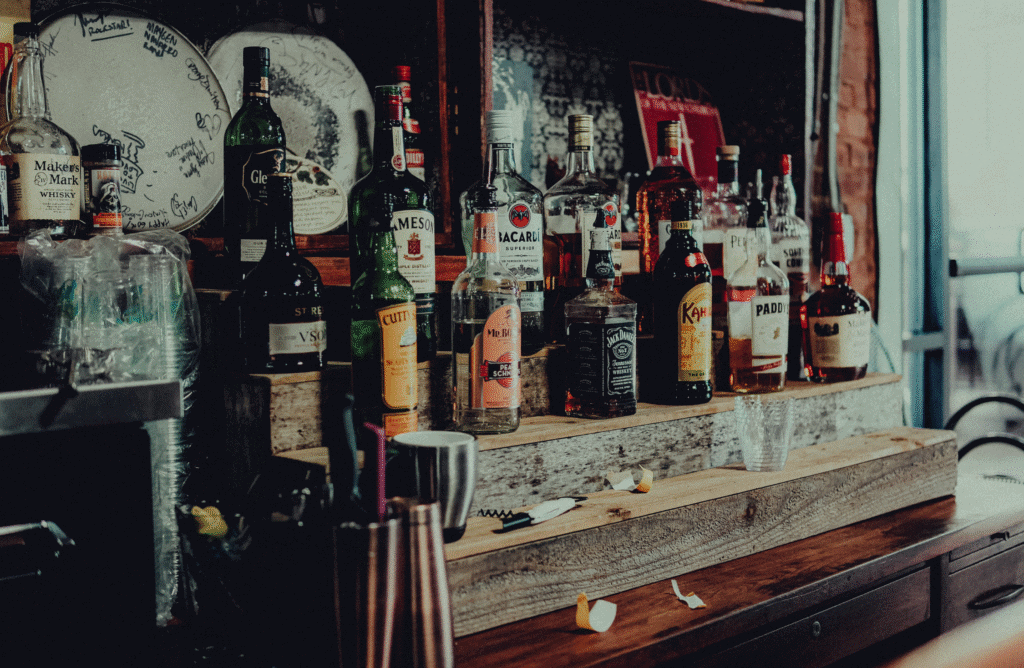
When people talk about alcohol, they are usually referring to ethyl alcohol, also called ethanol, the active ingredient in all alcoholic beverages. Alcohol is created through fermentation, where yeast breaks down natural sugars from grains, fruits, or vegetables into carbon dioxide and alcohol. Whether it is beer, wine, or liquor, this process produces a psychoactive substance that changes the way the central nervous system functions. This feeling can lead to the desire for increased alcohol consumption, chasing the feeling of euphoria, which in turn may lead to alcohol addiction.
At MPower Wellness, we believe that awareness is the first step toward prevention and recovery. Our programs help individuals learn about the impact of alcohol, explore healthier coping strategies, and rebuild balance in both mind and body.
Alcohol Consumption as a Depressant
Alcohol is classified as a depressant drug, meaning it slows down activity in the central nervous system and changes how the brain communicates with the body. When a person drinks alcohol, it affects important areas of the brain that control coordination, judgment, and mood.
As blood alcohol levels rise, these effects become stronger, which is why even moderate drinking can lead to noticeable changes in behavior, thinking, and emotional control.
What Happens When We Drink Alcohol to the Central Nervous System
Alcohol directly affects the central nervous system, influencing how neurotransmitters control movement, mood, and decision-making. Even moderate alcohol consumption can slow brain function and interfere with coordination and judgment.
As more alcohol is consumed, these effects become stronger, increasing the risk of alcohol intoxication, blackouts, and eventually alcohol dependence.
Short-Term Alcohol Related Effects
- Impaired coordination
- Slurred speech
- Confusion
- Nausea or vomiting
- Increased risk of injury or sexual assault when intoxicated
Long-Term Health Risks of Alcohol Use
Over time, heavy or frequent drinking can cause serious health problems, just like other addictive behaviors. Alcohol use disorders are linked to heart disease, several types of cancer, and liver disease. Drinking during pregnancy can also lead to fetal alcohol syndrome, which causes lifelong developmental disabilities in children.
The Effects of Alcohol on Mental Health and Wellness
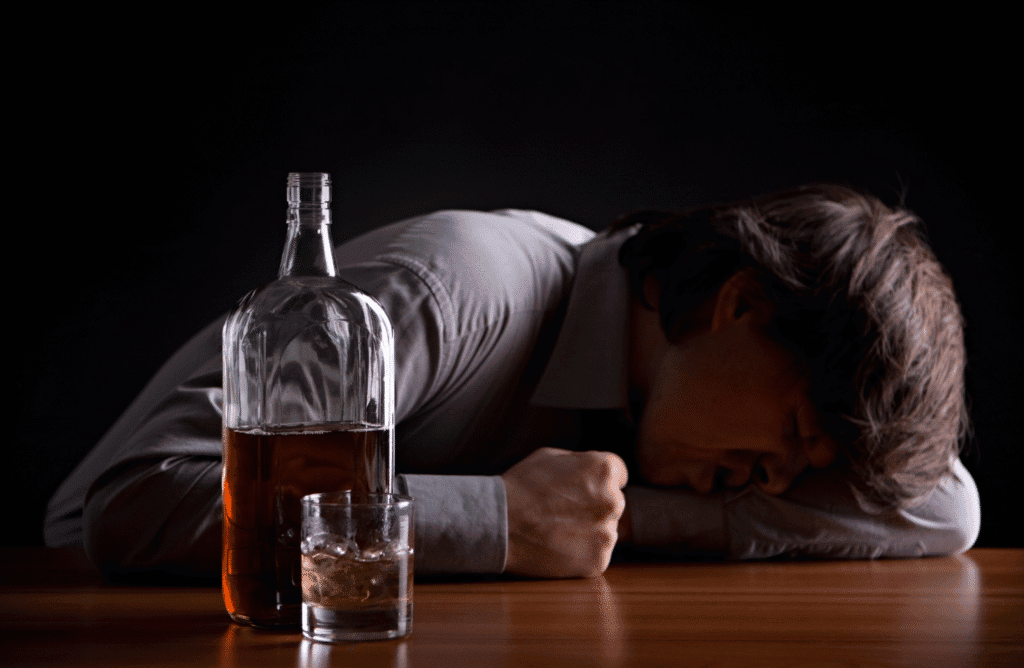
Alcohol affects the brain and body in complex ways, especially when drinking heavily or over long periods. Studies show a strong connection between alcohol use and mental health challenges. Frequent drinking can change brain chemistry, making it harder to regulate mood or manage stress. For some young adults, alcohol can temporarily create a sense of relief, but over time, it often leads to increased risk of anxiety, depression, and other emotional struggles.
Binge drinking and heavy alcohol use can also interfere with prescribed medications and amplify the symptoms of existing mood disorders. While it may seem like alcohol helps in the moment, it does not affect everyone the same way. For example, what feels calming to one person can cause irritability, sadness, or confusion in another. In many cases, these alcohol effects linger for two to seven days, continuing to disrupt focus, energy, and emotional balance.
How Much Alcohol Is Too Much?
Understanding the alcohol content in your favorite beverage is an essential part of responsible alcohol consumption. The World Health Organization and the Centers for Disease Control and Prevention define a standard drink as the amount of pure alcohol in various alcoholic beverages. While the exact amount can vary depending on how the alcohol is consumed or mixed, here are some general guidelines:
- 12 oz of beer (about 5% pure alcohol)
- 5 oz of wine (about 12% alcohol)
- 1.5 oz of liquor or distilled spirits (about 40% alcohol)
These measurements apply to most alcoholic drinks, whether served at home or purchased from the alcohol industry. They also highlight that non-alcoholic beverages are safer alternatives for those looking to reduce substance abuse risks or avoid alcohol-related harms altogether.
Moderate Drinking vs. Heavy Drinking
The use of alcohol affects everyone differently, but the body can only process a limited amount at a time. Consuming more than one standard drink every few hours can raise blood alcohol levels and increase the risk of injury, poor judgment, and liver strain.
For women of child-bearing age, even small amounts of alcohol can lead to birth defects or developmental disabilities in unborn children, such as fetal alcohol syndrome.
What Determines Blood Alcohol Levels (BAC)
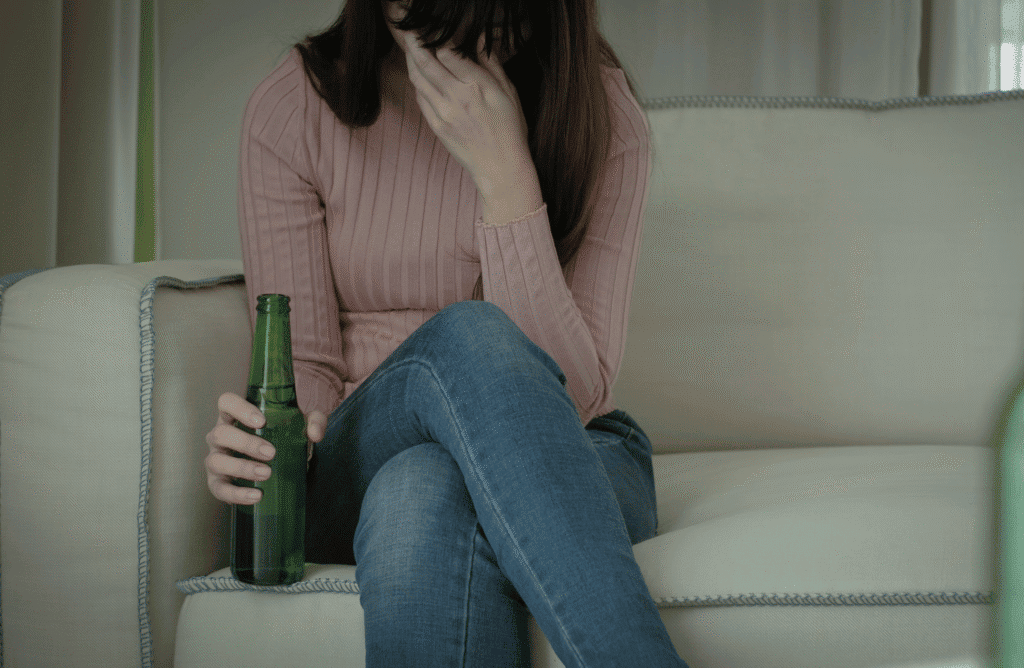
A person’s blood alcohol concentration (BAC) depends on several factors, including how much alcohol is consumed, body weight, metabolism, and how quickly alcoholic drinks are taken. The more alcohol a person consumes in a short time, the higher their BAC will rise.
As blood alcohol levels increase, so do the effects of alcohol, ranging from mild relaxation and slowed reaction times to confusion, poor coordination, and alcohol intoxication.
Alcohol Related Harms: Withdrawal and Dependence
Regular alcohol consumption can cause the body to develop tolerance, which means a person needs more alcohol to feel the same effect. Over time, this can lead to alcohol dependence and withdrawal when drinking stops. Common alcohol withdrawal symptoms include:
- Tremors
- Sweating
- Irritability
- Nausea
- Anxiety or depression
Because alcohol withdrawal can be dangerous, it is important to seek professional help. At MPower Wellness, medical professionals provide safe detox support and ongoing care to help individuals manage symptoms, rebuild stability, and begin recovery with compassion and confidence.
Treatment for Alcohol Dependence at MPower Wellness
At MPower Wellness, treatment for alcohol abuse and alcohol dependence begins with compassionate, individualized care. Because every person’s experience with alcohol consumption and recovery is unique, our programs are designed to meet clients where they are and provide continuous support from detox to aftercare.
Our evidence-based approach helps clients rebuild their health, relationships, and sense of self while addressing the full impact of alcohol use and other drugs.
Medical Detoxification
Detox is the first step in recovering from alcohol dependence. During this stage, the body eliminates alcohol consumed and begins to stabilize physically. At MPower Wellness, medical professionals monitor clients closely to manage alcohol withdrawal symptoms safely and reduce discomfort.
Detox care is essential for individuals who have been drinking heavily or using alcoholic drinks alongside other substances, as withdrawal can involve serious health risks such as seizures or dehydration.
Residential Treatment
After detox, clients may transition into our residential treatment program, which provides 24/7 structured care in a supportive environment. Here, clients focus on healing both the mind and body through daily therapy sessions, peer support, and holistic wellness activities.
This level of care is ideal for those who need space to recover away from triggers or social environments that involve alcohol or drug use.
Partial Hospitalization Program (PHP)
Our partial hospitalization program provides comprehensive care without requiring overnight stays. Clients participate in therapy, skill-building sessions, and relapse prevention strategies during the day, then return home in the evening.
This structure enables individuals to focus on recovery while balancing personal or family responsibilities.
Intensive Outpatient Program (IOP)
The intensive outpatient program offers flexibility for clients who are ready to continue their recovery while balancing work, school, or family life. This program includes multiple therapy sessions each week focused on relapse prevention, emotional regulation, and healthy coping strategies.
Clients explore how alcohol increases the likelihood of social harms, mental health struggles, and relationship challenges, while learning ways to manage triggers and build long-term resilience.
Evidence-Based Therapies
Across all levels of care, MPower Wellness integrates proven therapies to address the emotional, behavioral, and psychological effects of alcohol abuse and substance use.
Clients participate in cognitive behavioral therapy (CBT), dialectical behavior therapy (DBT), and group therapy to understand triggers, develop self-awareness, and rebuild trust within relationships. These therapies help individuals learn how to navigate cravings, reduce risky behaviors, and prevent relapse.
Dual Diagnosis and Mental Health Support
Many individuals who struggle with alcohol use disorders also face co-occurring mental health conditions such as anxiety, depression, or trauma-related disorders.
MPower’s dual diagnosis program treats both the mental health condition and the substance abuse simultaneously, providing the best chance for lasting recovery. Clients gain tools to manage mood, handle stress, and address patterns of alcohol consumption that may worsen symptoms.

Healing Beyond Alcohol
Recovery at MPower Wellness goes beyond stopping the use of beer, wine, or liquor. It means building a sustainable, healthy lifestyle that supports long-term mental and physical well-being. Our compassionate team provides ongoing support for clients who want to break free from alcohol dependence and reduce their risk of several cancers, chronic illnesses, and other alcohol-related harms.
If you or someone you care about is ready to take the next step toward recovery, contact MPower Wellness today to learn more about our comprehensive treatment programs and begin the journey to healing.
Sources
Alcohol Drinking and Blood Alcohol Concentration Revisited. (n.d.). PMC. https://pmc.ncbi.nlm.nih.gov/articles/PMC5785465/
Centers for Disease Control and Prevention. (n.d.). Standard drink sizes. https://www.cdc.gov/alcohol/standard-drink-sizes/index.html
MedlinePlus. (n.d.). Alcohol. https://medlineplus.gov/alcohol.html
National Institute on Alcohol Abuse and Alcoholism. (n.d.). Alcohol and the brain: An overview. https://www.niaaa.nih.gov/publications/alcohol-and-brain-overview
National Institute on Alcohol Abuse and Alcoholism. (n.d.). Alcohol’s effects on the body. https://www.niaaa.nih.gov/alcohols-effects-health/alcohols-effects-body
Maicas, S. (2020). The role of yeasts in fermentation processes. Microorganisms, 8(8), 1142. https://doi.org/10.3390/microorganisms8081142