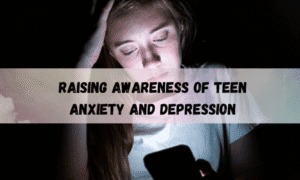
When you scroll through social media for hours, even though promising yourself just five minutes, or find yourself shopping online at 2 AM, even though you’re facing mounting credit card bills, you might be experiencing something more complex than poor self-control. Behavioral addiction, also known as process addiction, involves compulsive engagement in specific activities that trigger your brain’s reward system — without involving any external substances.
Unlike substance addictions that require consuming drugs or alcohol, behavioral addictions revolve around the repetition of certain behaviors like sex, gaming, or shopping. Behavioral addictions can devastate your relationships, finances, and mental health just as severely as any chemical dependency, making understanding and recognition crucial for recovery.
What Is Behavioral Addiction?
Behavioral addiction involves compulsive engagement in activities that activate your brain’s reward system even though negative consequences affect your daily functioning. These addictions are very similar to drug and alcohol problems because they affect the brain in the same ways and show similar patterns of dependence.
Types of Behavioral Addictions
Common behavioral addictions encompass a wide range of activities that can become compulsive and destructive. Internet and social media addictions have emerged as prevalent concerns, particularly among adolescents and young adults who show higher incidence rates. Video game addiction affects millions globally, with internet gaming disorder recognized by mental health professionals as a condition requiring clinical attention. Food addiction manifests through compulsive eating patterns that extend beyond normal hunger cues.
Exercise addiction can develop when physical activity becomes an obsession rather than a healthy habit. Work addiction or workaholism affects high-achieving individuals who lose control over their professional commitments. Sexual addiction and pornography addiction involve compulsive sexual behaviors that interfere with relationships and daily functioning.
How Behavioral Addiction Differs From Substance Addiction
Behavioral addictions are different from substance addictions mainly in how they work and in physical dependence. With behavioral addictions, you don’t take outside chemicals, but your brain still releases dopamine, which makes you feel good.
In physical addiction, your body needs the substance to work right. If you stop, you might experience symptoms like shaking, sweating, or feeling sick. Behavioral addictions don’t cause physical symptoms but can lead to strong cravings and emotional pain when you try to stop.
Treatment for these addictions is different. Behavioral addiction treatment often includes therapy, support groups, and finding healthy ways to cope. In contrast, treating physical addiction might involve medication to help manage withdrawal symptoms along with therapy.
Both types of addiction involve strong psychological dependence, cravings, and a high chance of relapse. The brain reacts to both types using similar pathways that release feel-good chemicals, which is why behavioral addictions can be just as hard to overcome as substance addictions.
Both behavioral and substance addictions tend to be more common in teenagers and young adults when brain development makes people more vulnerable to these patterns.
Signs and Symptoms of Behavioral Addiction

It’s important to recognize the signs of behavioral addiction to know when something has gone from occasional fun to a bigger problem. Many of these warning signs are similar to those seen in substance use disorders but focus on behaviors instead of drugs.
Core Warning Signs
Difficulty controlling the behavior is the main sign of behavioral addiction. You may try to cut back or stop but find you can’t, showing that the behavior is compulsive.
Continued engagement even though harm happens when you keep doing the behavior despite knowing it negatively affects your health, relationships, or responsibilities. For example, you might realize that too much gaming is hurting your work but continue to play anyway.
Escalation of risky behaviors shows up when you start taking bigger risks or do the behavior more intensely to get the same feeling. For instance, you might go from casual online shopping to making bigger purchases or betting more money.
Tolerance develops when you need to do the behavior more often or intensely to feel the same joy or satisfaction you used to. What once felt good now needs more time or money to give you the same feelings.
Intense cravings or urges create strong wishes to do the behavior, often making it hard to think about anything else. These cravings can interfere with other activities or responsibilities.
Denial or concealment is when you hide how much you are involved in the behavior or downplay how serious it is. You might lie about the time spent or money spent on the activity to yourself and others.
Emotional and Psychological Indicators
Using behavior as a way to cope means relying on activities to deal with feelings like stress, sadness, boredom, or anxiety. Instead of finding healthy ways to manage these emotions, you depend on the behavior as a way to feel better.
Guilt, shame, or embarrassment often follow these behaviors. These feelings can create a cycle where you use the behavior to escape the distress it causes, which makes the addiction worse.
Preoccupation means constantly thinking about the behavior, even when you need to focus on other things, like school or family. Your mind keeps going back to the behavior.
Social withdrawal happens when you start to isolate yourself from friends or family so you can focus more on the behavior. You might turn down invitations or spend a lot of time alone to engage in the activity without judgment.
Irritability or frustration can surface when you can’t engage in the behavior, showing that you’re dependent on it. This can strain relationships and affect how you feel overall.
Relapse is when you go back to the behavior after trying to stop, even when you know it’s causing problems. You may feel disappointed and ashamed after relapsing.
Behavioral addiction usually follows a pattern: starting with curiosity, trying it out, using it regularly for emotional reasons, taking risks despite problems, and finally becoming dependent on it.
Causes and Risk Factors

Behavioral addiction arises from a mix of biology and environment. Knowing these factors can help you recognize why you might be more likely to engage in compulsive behaviors.
Brain Chemistry
Your brain’s reward system is key to developing these addictions. Problems with chemicals in your brain, especially dopamine and serotonin, can lead to compulsive actions and less self-control. Genetic factors can also play a big role—if addiction runs in your family, you might be at higher risk.
Certain brain areas release dopamine when you do enjoyable things, reinforcing the behavior. But if you always seek that high, your brain adapts, leading you to feel down without it, which pushes you back to the addictive behavior.
Psychological and Environmental Triggers
Your mental state affects your risk of addiction. If you’re impulsive or often seek thrills, you’re more likely to develop an addiction. Mental health issues like depression or anxiety can push you toward these behaviors, especially if you faced trauma or neglect in childhood.
Stressful environments, like tough jobs or unsafe neighborhoods, can increase your risk, as can peer pressure and cultural norms. A lack of support from family or friends also makes it easier to fall into addictive patterns.
Common Types of Behavioral Addictions
Behavioral addictions show up in many forms, affecting many people.
Technology and Internet Addiction
This addiction involves excessive use of devices, social media, or gaming, which affects daily life. Key signs include always needing to be connected, feeling anxious when off devices, and neglecting real-life relationships.
Treatments focus on reducing screen time, therapy to manage feelings, and learning healthy ways to connect with others.
Gambling Addiction
Gambling addiction leads to a strong urge to gamble, often with serious financial and personal problems. Signs include borrowing money to gamble, lying about it, and feeling restless when you can’t gamble. Treatment includes therapy, support groups, and learning better ways to manage stress.
Shopping and Spending Addiction
This involves compulsive buying that leads to financial trouble. Signs include feeling guilty after shopping, having trouble controlling spending, and feeling anxious when unable to shop. Treatment focuses on therapy, financial counseling, and support groups to help develop better habits.
Food and Eating Behaviors
Food addiction means you eat too much of certain foods, leading to health issues. Signs include intense cravings and losing control while eating. Treatment combines nutrition counseling with therapy to address emotional eating and establish healthier habits.
Impact on Daily Life and Relationships
Behavioral addiction creates a cascading effect that permeates every aspect of your existence, fundamentally altering how you interact with the world around you. The compulsive nature of these addictive behaviors transforms routine activities into secondary priorities as your focus narrows exclusively on the addictive activity.
Daily Functioning and Productivity
Behavioral addiction disrupts your daily routine, leading to neglect of work and personal responsibilities. You’ll invest excessive time in the addictive behavior, impacting tasks like work and hygiene. Research shows that 57% of people with such addictions face severe work-related issues.
The addiction drains both time and mental energy, resulting in:
- Reduced productivity: Distractions hinder focus.
- Neglected duties: Important tasks get delayed.
- Disrupted sleep: Late-night activities lead to fatigue.
- Financial issues: Reckless spending harms decision-making.
Emotional and Psychological Consequences
Behavioral addiction often emerges as an unhealthy coping mechanism for stress, worsening mental health over time. You may face intense cravings and withdrawal symptoms, highlighting a loss of control.
You might experience:
- Increased anxiety: Stress from balancing the addiction and daily life.
- Guilt and shame: Regret over the inability to control the behavior.
- Emotional instability: Fluctuations between engaging in and abstaining from the behavior.
- Depression and isolation: The addiction becomes your main source of comfort.
Relationship Deterioration
As addiction progresses, relationships are heavily affected, causing strain on family and friends. The unpredictability of addictive behavior creates insecurity, particularly impacting children.
Problem gamblers have much higher divorce rates, illustrating the toll on close partnerships. You’ll likely face:
- Social withdrawal: Choosing the addiction over family time.
- Broken trust: Lying about the behavior.
- Financial arguments: Disputes over money spent on addiction.
- Emotional distancing: Relying on the addiction instead of seeking support.
Workplace and Academic Impact
Behavioral addiction negatively affects work and school performance due to distractions. You may struggle to focus in meetings or classes as your mind drifts toward the addictive behavior.
Colleagues and supervisors may notice a decline in work quality and missed deadlines. Students often see grades drop as study time is spent on addictive activities.
Long-term Quality of Life Decline
Continued compulsive behavior harms overall well-being, altering brain structure and decision-making abilities, further embedding you in the addiction cycle and isolating you from support systems.
Treatment Options and Recovery Approaches

Effective treatment combines professional interventions with self-help strategies to tackle the complexities of compulsive behavior.
Professional Treatment Methods
- Cognitive-Behavioral Therapy (CBT): Modifies negative thought patterns with a 70% symptom reduction rate.
- Contingency Management: Uses positive reinforcement to encourage abstinence.
- Motivational Enhancement Therapy (MET): Increases internal motivation to change.
- 12-Step Facilitation Therapy: Supports participation in peer programs for accountability.
- Family Therapy: Strengthens family support and dynamics affecting behavior.
Self-Help Strategies and Lifestyle Changes
- Mutual support groups: Provide essential social support.
- Coping and social skills: Teach stress management and problem-solving.
- Trigger avoidance: Identify and avoid addictive triggers.
- Mindfulness: Use techniques to manage cravings.
- Behavioral activation: Replace addiction with positive activities.
- Lifestyle changes: Maintain routines, eat healthily, exercise, and foster social connections.
Together, these changes create an environment that supports recovery.
Prevention and Long-Term Management
Preventing behavioral addiction involves proactive strategies and healthy coping mechanisms.
Core Prevention Strategies
- Stimulus control: Avoid triggers associated with addictive behaviors.
- Attentional bias retraining: Shift focus away from addictive cues.
- Cognitive-behavioral therapy (CBT): Prevents the development of compulsive behaviors.
- Mindfulness-based interventions: Enhance impulse control.
- Motivational interviewing: Boosts readiness to maintain healthy habits.
Long-Term Management Approaches
Adopt tailored treatment plans for ongoing success, including:
- Family involvement: Strengthens recovery support.
- Relapse prevention: Incorporates therapy and peer support.
- Behavioral self-regulation tools: Define recovery boundaries and monitor progress.
- Structured treatment settings: Offer varying support levels based on individual needs.
Successful long-term recovery combines behavioral therapies with ongoing support to address the multifaceted nature of behavioral addictions.
Finding Hope Beyond Behavioral Addiction
Behavioral addictions can feel overwhelming, but recovery is absolutely possible with the right support. At Key Healthcare, we understand how compulsive behaviors can impact every part of life—your relationships, your work, and your sense of self. That’s why our team offers personalized treatment options designed to help you regain control, build healthier coping strategies, and move forward with confidence.
If you or someone you love is struggling with a behavioral addiction, you don’t have to face it alone. Key Healthcare is here to guide you toward lasting change and a brighter future. Contact us today.
Frequently Asked Questions:
What is behavioral addiction?
Behavioral addiction, also known as process addiction, is when people can’t stop doing activities like using social media, online shopping, or gaming. These activities can take over their lives and affect their daily routine, relationships, and mental health.
How Are They Different from Substance Addictions?
Behavioral addictions don’t make people physically dependent like drugs or alcohol do. However, they can cause strong cravings and emotional pain. Treatment usually involves therapy and support groups, while substance addictions might need medication too.
What causes behavioral addiction?
Behavioral addiction can happen due to a mix of biology and environment. Issues with brain chemistry, genetics, personal traits like impulsivity, mental health struggles, and early experiences can all increase the risk.
How are behavioral addictions treated?
Treatment often includes professional help like Cognitive-Behavioral Therapy (CBT), along with support groups and healthy lifestyle changes. Therapy helps people build better habits and connect with others.
Can behavioral addictions be prevented?
Yes, prevention strategies involve learning healthy ways to cope, getting family support, and making environmental changes to reduce cravings.
Are behavioral addictions serious?
Yes, they can be serious. Behavioral addictions affect relationships and impulse control and can lead to problems with finances, productivity, and overall well-being, similar to substance abuse.
Sources
Grant, J. E., Potenza, M. N., Weinstein, A., & Gorelick, D. A. (2010). Introduction to behavioral addictions. American Journal of Drug and Alcohol Abuse, 36(5), 233–241.
Saunders, J. B., Hao, W., Long, J., King, D. L., Mann, K., Fauth-Bühler, M., Rumpf, H.-J., Bowden-Jones, H., Rahimi-Movaghar, A., Chung, T., Chan, E., Bahar, N., Achab, S., Lee, H. K., Potenza, M., Petry, N., Spritzer, D., Ambekar, A., Derevensky, J., Griffiths, M. D., Pontes, H. M., Kuss, D., Higuchi, S., Mihara, S., Assangangkornchai, S., & Sharma, M. (2017). Gaming disorder: Its delineation as an important condition for diagnosis, management, and prevention. Journal of Behavioral Addictions, 6(3), 271–279.