Scolionophobia, also known as school phobia or fear of school, is more than just a reluctance to wake up early or take a math test. It’s a deeply rooted, often intense fear that can lead to persistent school refusal, emotional distress, and long-term mental health issues in children and adolescents.
As mental health professionals, we at Key Healthcare recognize that scolionophobia is a serious and treatable mental health condition that affects a significant number of school-aged children across all age groups.
What Is Scolionophobia?
Scolionophobia refers to an overwhelming fear of school that causes children to avoid or outright refuse to attend school. It often leads to school avoidance, school absenteeism, and declining academic performance, despite the absence of any physical illness.
While many children feel nervous about a big test or social interaction at school, those with scolionophobia experience an intense emotional response—sometimes to the point of a panic attack, physical symptoms like headaches or stomachaches, or crying spells during school hours.
This condition is closely tied to anxiety disorders, and in some cases, it may be an expression of separation anxiety, social anxiety, or other mental health disorders. It can be seen in both younger children and older children, though the middle school years are often a peak period due to rising academic pressure and social changes.
Recognizing the Symptoms of School Phobia
Children experiencing school phobia may show a range of anxiety-related symptoms relating to their school phobia, including:
- Frequent physical symptoms before or during school (nausea, fatigue, headaches)
- Repeated excuses to stay home, claiming to be physically ill
- Outbursts of crying, panic, or extreme fear when asked to attend school
- Extreme clinginess with family members
- Poor sleep and increased worry the night before school
- Withdrawal from interpersonal relationships or other children
Some school phobia behaviors are situational and may occur after a distressing event such as school bullying, a school shooting, or a family crisis, while others may stem from underlying anxiety disorders, learning disabilities, or mental health conditions.
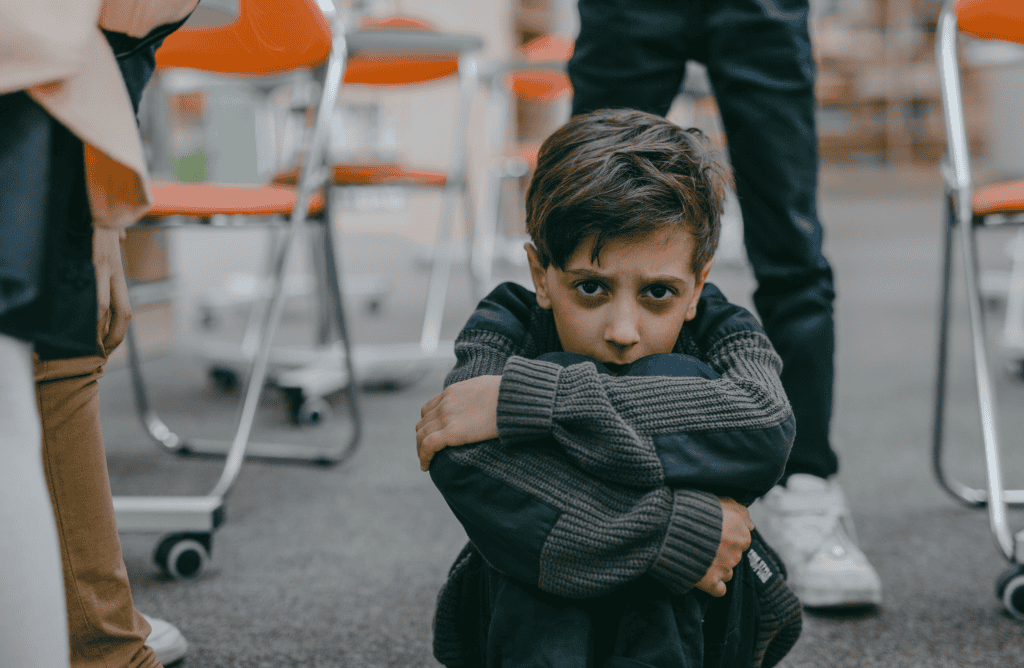
What Are the Risk Factors that Cause Scolionophobia?
The risk factors for school-related anxiety and school refusal are varied, but often include:
- Separation anxiety in younger children
- Social anxiety or fear of embarrassment
- Learning difficulties or academic pressure
- Family dynamics (e.g., only child, overprotective parenting)
- History of mental disorders or other mental health issues
- Traumatic experiences in a school setting
- Chronic illness or history of being chronically ill
- Exposure to physical harm or threats at or around school
While the Diagnostic and Statistical Manual (DSM) doesn’t list “scolionophobia” as a formal diagnosis, it’s often identified as part of a broader anxiety disorder through a clinical diagnosis made by a medical professional or mental health clinician.
How to Differentiate Scolionophobia from Truancy or General Dislike of School
While most children feel anxious about school from time to time, scolionophobia is very different from a simple reluctance to go to school or occasional absenteeism. Truancy often stems from a lack of interest, peer influence, or behavioral issues, while scolionophobia—also known as school phobia—is driven by an intense fear of school that produces significant physical symptoms and emotional distress.
Older children and middle school students with scolionophobia may experience nausea, headaches, or other signs of physical illness when faced with the idea of attending class. Unlike truancy, these reactions are not about avoiding responsibility but rather a response to overwhelming anxiety. Most children who simply dislike school can still go to school when encouraged, but children with scolionophobia often require structured coping strategies, therapeutic support, and gradual reintroduction to the school environment.
A professional evaluation is essential for identifying scolionophobia and distinguishing it from other school avoidance behaviors. This ensures the right coping strategies and treatment plan are in place, helping the child feel safe, supported, and able to return to learning successfully.

The Impact of Prolonged School Refusal on Development
When scolionophobia or school phobia goes unaddressed, the effects on a child’s overall development can be significant. Extended school refusal doesn’t just interrupt academic progress—it can also stall the development of social skills, lower self-esteem, and reduce emotional resilience. In middle school, especially, many children rely on daily interactions with other children to learn cooperation, communication, and problem-solving skills. Missing out on these opportunities can make it harder to re-engage socially later on.
For some children, the longer they avoid school, the more their fear of school intensifies. This “snowball effect” can lead to heightened separation anxiety, greater sensitivity to perceived threats such as bullying or even the fear of events like a school shooting, and an increased risk of developing or worsening mental disorders. Physical symptoms, such as stomachaches or headaches, may become more frequent as the body responds to chronic stress.
The risk factors are not just academic—they affect children in every area of life. Without timely intervention from a medical professional and a clinical diagnosis, the cycle of avoidance can deepen, making the return to school feel overwhelming. Addressing school refusal early not only helps children regain their place in the classroom but also restores their confidence, emotional stability, and readiness to thrive in both learning and life.
How Is Scolionophobia Diagnosed?
To have scolionophobia diagnosed, professionals look for patterns of school avoidance, anxiety-related symptoms, and the inability to attend school despite no medical cause. The assessment may involve:
- Interviews with family members and the child
- Observations of the child’s fear and behaviors during school days
- Screening tools and questionnaires based on specific diagnostic criteria
- Ruling out physical illness or other mental disorders
If scolionophobia is diagnosed, a treatment plan is built around the child’s emotional, academic, and social needs.

Treatment Options: How Children Overcome School Refusal
Scolionophobia treated effectively requires a comprehensive, supportive, and individualized approach. Most children respond well to formal treatment that addresses both emotional triggers and real-world school challenges.
Talk Therapy and Cognitive Behavioral Therapy (CBT)
Talk therapy helps children process their fears in a safe environment. CBT, in particular, is effective in helping children change their thought patterns, reduce school-related anxiety, and develop healthy coping strategies.
Exposure Therapy
Exposure therapy is commonly used to help lower anxiety by gradually reintroducing the child to the school setting in manageable steps. For example, a child may begin by visiting the school for a short period, then slowly work toward attending a full day.
Family Therapy
Family therapy plays a crucial role in supporting the child’s progress and helping other family members understand the condition. Parents and caregivers learn how to respond to school refusal without reinforcing avoidant behaviors.
Collaboration with School Staff
A strong partnership with school staff, including teachers and the guidance counselor, ensures the child receives emotional support and academic flexibility. This may include modified school days, adjusted homework loads, or access to a quiet space during high-stress periods.
Medication When Needed
In severe cases or when co-occurring mental health disorders are present, a provider may recommend selective serotonin reuptake inhibitors (SSRIs) or other medications to help manage anxiety disorders or depression.
Helping Children Learn and Thrive Again with Mental Health Issues
Recovery from school phobia is possible. With the right support system and professional care, most children can overcome their fear of school and return to the classroom with confidence.
The goal is not just attendance, it’s helping the child feel safe, emotionally connected, and ready to engage in learning and everyday life again.
When to Seek Help for a Child’s Fear or School-Related Anxiety
If your child consistently avoids school, reports frequent physical symptoms with no medical explanation, or shows signs of intense fear related to school, don’t wait. Early intervention leads to better outcomes and prevents worsening mental health issues and social isolation.

Support for School Avoidance at Key Healthcare
At Key Healthcare, we specialize in helping children and families navigate the challenges of scolionophobia, school phobia, and mental health conditions that affect young people. Our clinicians provide compassionate care, evidence-based therapy, and a collaborative approach to ensure that children don’t just return to school—they thrive in it.
Contact Key Healthcare today to schedule an evaluation and learn more about how we can help your child overcome school-related fears and build a brighter future.
Sources
Zhou, X., et al. “School Refusal and Scolionophobia Among Children and Adolescents: Prevalence, Risk Factors, and Treatment.” Journal of Child Psychology & Psychiatry, vol. 64, no. 5, 2023, pp. 560–575. PubMed Central, PMC10071931.
Muris, Peter, and Judith Broekman. “School Phobia and Anxiety: Clinical Features and Scope of the Problem.” Clinical Child Psychology and Psychiatry, vol. 9, no. 1, 2004, pp. 85–100. PubMed Central, PMC2490679.